


 Deutsch
 English
 Español
 Français
 Nederlands
 Português


 Share
Share




Trump's NATO Reversal Explained: Why Allies Rejected Hormuz Request
In a dramatic diplomatic reversal, former President Donald Trump has declared the United States 'doesn't need NATO's help' for securing the strategic Strait of Hormuz, just two days after demanding alliance assistance. This sudden shift follows widespread rejection from European allies who refused to join what German Defense Minister Boris Pistorius called 'not our war.' The Iran war escalation has created unprecedented tensions within the NATO alliance, raising questions about future transatlantic security cooperation.
What is the Strait of Hormuz Crisis?
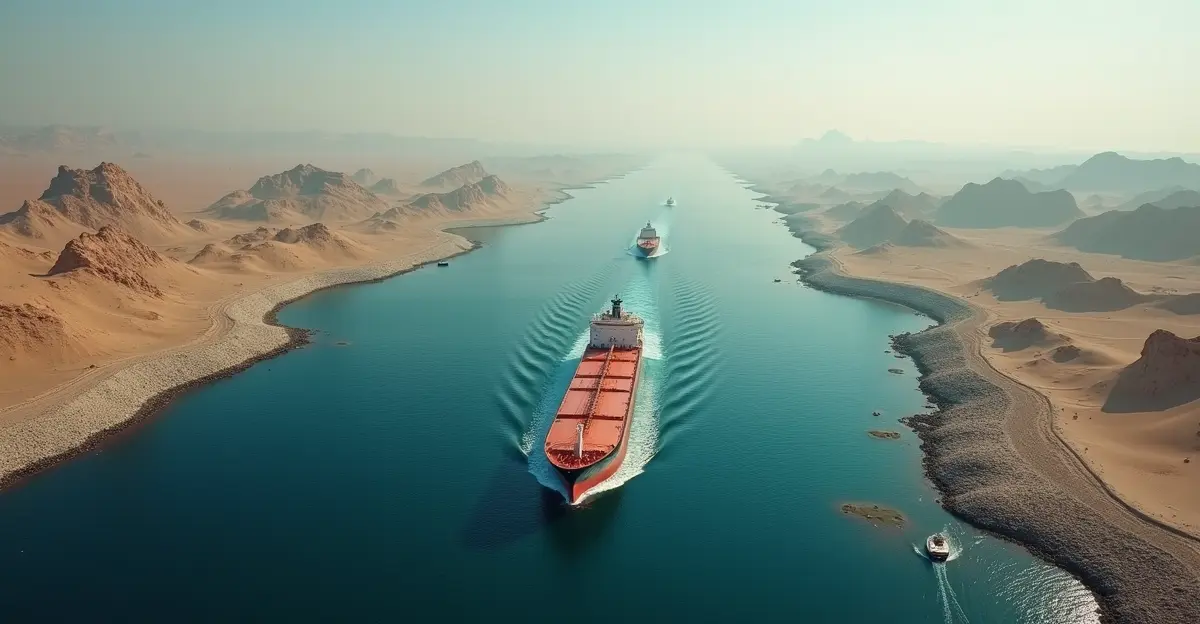
The Strait of Hormuz is a narrow 21-mile-wide waterway between Iran and Oman that serves as the world's most critical oil shipping chokepoint. According to UNCTAD data, approximately 20-30% of global oil passes through this strategic passage, with 20.9 million barrels per day and 80 million tons of LNG annually transiting the strait before the current crisis. The waterway provides the only sea passage from the Persian Gulf to open ocean, making it essential for global energy security. Major shipping companies including Maersk, MSC, Hapag-Lloyd, and CMA CGM have suspended operations through the strait following U.S. and Israeli strikes on Iran, rerouting vessels around Africa's Cape of Good Hope at significantly increased costs.
The Diplomatic Timeline: From Demand to Rejection
Sunday's Ultimatum
On Sunday, March 16, 2026, Trump gave NATO allies what amounted to an ultimatum in an interview with the Financial Times. 'If there is no answer, or a very negative answer, that will be very bad for the future of NATO,' Trump warned, demanding alliance assistance in reopening the Strait of Hormuz. This came as Iran had effectively choked the strategic waterway in retaliation for U.S.-Israeli military operations, disrupting 20% of global oil trade and causing gasoline prices to surge by 88 cents per gallon in the United States alone.
Allied Rejection
What followed were two days of intense diplomatic pressure as NATO allies uniformly rejected Trump's request. German Defense Minister Boris Pistorius stated unequivocally: 'This is not our war. We did not start it.' British Prime Minister Keir Starmer declared the UK 'will not be drawn into the wider war,' while other European nations including Spain and Italy similarly declined participation. The collective rejection highlighted deep divisions within the alliance regarding Middle East military engagements.
Trump's Reversal
By Tuesday, March 18, Trump had completely reversed his position, posting on Truth Social: 'We have from most of our NATO "allies" heard that they do not want to be involved in our Military Operation against the Terrorist Regime in Iran. But because of our Military Success, we do not need the help of NATO countries.' He added in capital letters: 'WE NEVER DID!' This marked a significant diplomatic retreat after failing to secure allied support.
Why NATO Allies Refused Participation
Several key factors explain the widespread rejection of Trump's request:
- Lack of Consultation: European allies were not consulted about the initial U.S.-Israeli military operations against Iran, creating resentment and reluctance to join what they viewed as an American-initiated conflict.
- Strategic Divergence: European nations prioritize diplomatic solutions over military escalation in the Middle East, particularly given their geographical proximity and energy dependence on the region.
- Recent Tensions: Trump's January 2026 suggestions about 'taking Greenland' from NATO member Denmark had already strained alliance relations, creating skepticism about U.S. commitment to collective security.
- Domestic Politics: European governments face significant public opposition to involvement in Middle Eastern conflicts, particularly following the Ukraine war fatigue that has dominated European security discussions for years.
Global Economic Impact
The Strait of Hormuz crisis has created severe global economic disruptions. U.S. gasoline prices have jumped over 65 cents per gallon, while jet fuel and diesel prices surged approximately 25%. Asian economies face particular vulnerability, with China importing 40% of its oil through the strait and India confronting an acute energy crisis. Analysts warn that prolonged closure could trigger a global recession, calling this potentially 'the biggest energy disruption in history.' The crisis has displaced 3.2 million people in Iran and killed over 1,300 Iranians according to recent estimates.
Future Implications for NATO
This episode raises fundamental questions about NATO's future cohesion and purpose. Trump's framing of the situation as a 'test' of alliance loyalty, followed by his declaration that NATO failed that test, suggests potential long-term consequences for transatlantic security cooperation. European leaders now face difficult questions about their relationship with a United States that appears increasingly willing to act unilaterally in global hotspots. The incident also highlights growing divergence between U.S. and European approaches to Middle East security, with European nations preferring diplomatic engagement over military solutions. As one European diplomat noted anonymously: 'This isn't just about Hormuz—it's about whether we share strategic priorities anymore.'
FAQ: Trump, NATO, and the Strait of Hormuz
Why is the Strait of Hormuz so important?
The Strait of Hormuz is the world's most critical oil shipping chokepoint, handling 20-30% of global oil and significant LNG volumes. It's the only sea passage from the Persian Gulf to open ocean, making it essential for global energy security.
Which NATO countries rejected Trump's request?
Germany, the United Kingdom, Spain, Italy, and other European NATO members all declined to participate in securing the Strait of Hormuz, with Germany's defense minister stating clearly: 'This is not our war.'
How has the crisis affected oil prices?
Oil prices have reached approximately $100 per barrel, with U.S. gasoline prices increasing by 88 cents per gallon in one month. Global shipping costs have surged as vessels reroute around Africa.
What does this mean for NATO's future?
The incident reveals significant transatlantic divisions over Middle East policy and raises questions about alliance cohesion when members disagree on fundamental security priorities.
Could Iran completely close the Strait of Hormuz?
While Iran has effectively choked the strait, most experts believe complete closure is unlikely due to superior U.S. military power in the region, though targeted attacks on shipping continue.

Follow Discussion